Commercial Hygiene Experts
Brampton food safety and commercial cleaning experts help you keep restaurants, commissaries, bakeries, warehouses, and food service vehicles sanitized to standards. They disinfect frequently contacted surfaces, food preparation areas, equipment, floors, drains, restrooms, and prep zones using certified sanitizers, correct dilution, and verified exposure periods. in maintaining restaurants, food supply centers, baking operations, warehouses, and mobile food operations to code. They sanitize high-touch points, food-contact surfaces, equipment, floors, drains, restrooms, and prep areas with approved chemicals, proper dilution, and documented exposure durations.
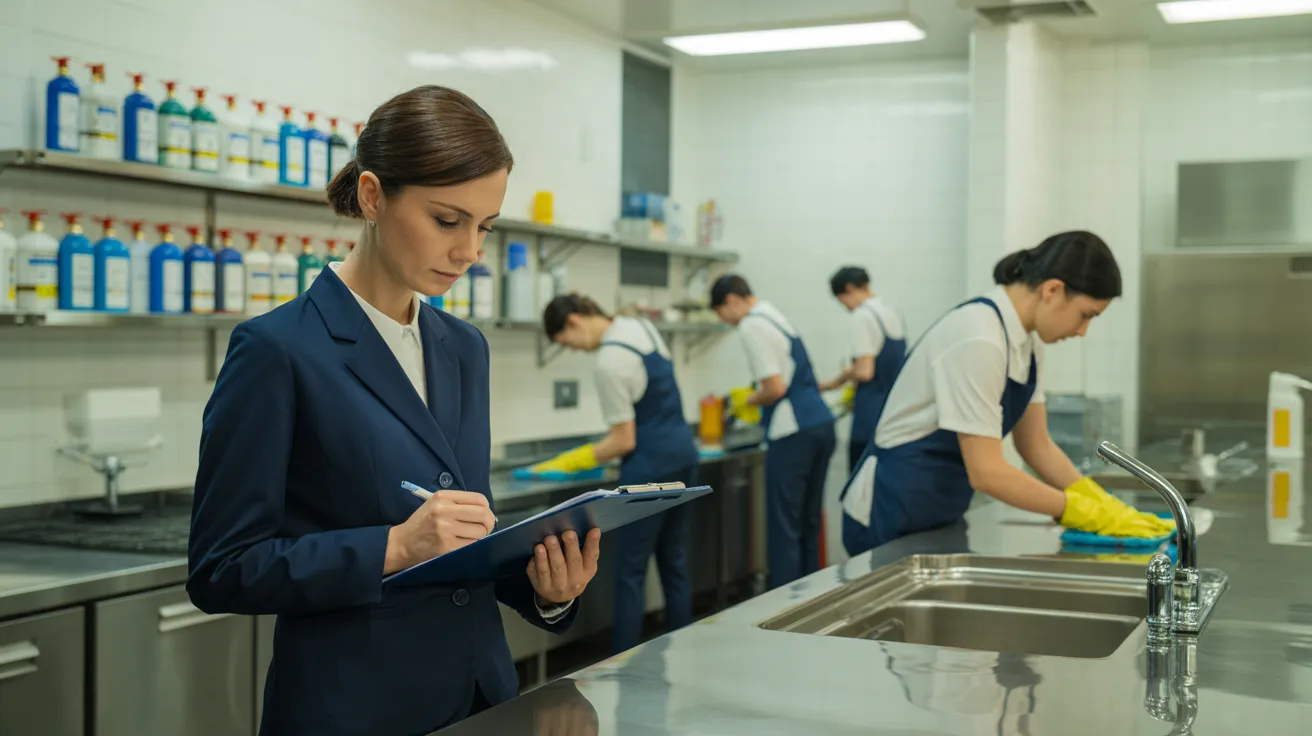
Key Takeaways
- Brampton's sanitation specialists provide services to restaurants, grocery departments, commissaries, warehouses, bakeries, schools, mobile vendors, and allergen-sensitive operations.
- High-touch surfaces, food-contact equipment, kitchens, floors, drains, restrooms, and storage areas are cleaned using sectional methods to avoid cross-contamination.
- Recording of finishing through samples, assessments, and action records validates certified specialists have validated approved sanitizer dilution, compatibility, and contact time.
- Optimal maintenance plans consider threat, throughput, changeovers, releases, and guidelines when assigning regular, periodic, and annual activities by section.
- Pick contractors with HACCP, public-health, competency, safety training, education, liability, endorsements, color-coded equipment, and assessment-ready hygiene paperwork.
What Brampton Facilities Require Food Safety Cleaning?
You must adhere to food safety cleaning if your establishment is regulated by health inspections, food codes, or HACCP protocols. This covers food venues, break rooms, food centers, supermarket areas, butcheries, seafood displays, shops, and commercial food prep.
You also need proper hygiene cleaning in storage facilities, food production centers, refrigerated locations, bakery retailers, school meal programs, event venues, and food distribution hubs. Temporary and mobile establishments count too, including catering trucks, festival vendors, and pop-up food booths. If your staff process ingredients, portion ready-to-eat items, reheat products, or store allergens, your facility needs established sanitation documentation. In Brampton, sanitation isn't discretionary; it's part of legal, operational, and consumer protection compliance.
What Do Brampton Cleaning Professionals Handle?
Professional cleaning teams specializing in Brampton sanitize touched surfaces, food preparation areas, ground surfaces, and restrooms in compliance with food safety regulations. Focus on these locations occurs because they pose maximum contamination danger, injury hazards, and compliance issues.
By understanding their service scope, you can make sure your operation's sanitation protocols satisfy all operational and regulatory requirements.
Focusing on High-Touch Surface Cleaning
Handling high-touch surface disinfection is important for Brampton cleaning professionals because high-traffic areas can distribute harmful organisms and food particles across a establishment. You must have a scheduling system for sanitizing door handles, push plates, switches, railings, shared equipment controls, POS terminals, and refrigerator pulls. Applying contact point analysis, professionals determine every commonly touched zone and establish cleaning intervals
verify that sterilization was effective and document follow-up measures when results fall beyond acceptable limits
Kitchen Areas, Floor Surfaces, and Bathroom Spaces
Expect Brampton cleaning experts to target kitchens, floors, and restrooms because each area carries unique food safety, slip-and-fall, and public health risks. In industrial kitchens, you need degreasing on cook lines, equipment exteriors, drains, prep surfaces, and splash zones to reduce bacterial growth and pest activity.
Documented floor care is likewise provided as part of the service.
Restroom sanitation involves sanitizing touchpoints, fixtures, partitions, dispensers, and waste containers, replenishing amenities and managing odor. They also maintain restaurant cleaning supply rooms where product storage, sink cleanliness, and drain systems impact daily sanitation standards and worker protection.
Why Food Safety Cleaning Matters in Brampton
In Brampton, you must maintain sanitary cleaning practices to meet health code requirements and achieve compliance. You also reduce cross-contamination by cleaning and sanitizing food-contact surfaces, equipment, and high-touch areas correctly. Most importantly, you help protect community wellness by reducing the chance of food poisoning in your establishment.
Regulatory Code Requirements
Since Brampton food operations must follow mandatory safety protocols, your food safety cleaning directly influences your ability to meet health codes, protect diners, and eliminate regulatory penalties. You must maintain clean food preparation areas, documented cleaning schedules, proper chemical use, and auditable operational standards that comply with municipal and provincial inspection expectations.
During inspections of your operation, auditors determine if your sanitation system ensures secure product handling, tool sterilization, refuse management, and restroom sanitation.
Cross-Contamination Prevention
Following regulatory requirements depends on your skill in stopping cross-contamination in daily food handling and cleaning. You must separate raw ingredients from ready-to-eat foods, sanitize prep surfaces between tasks, and store chemicals away from food-contact items. Clear procedures reduce transfer risks and support consistent compliance during inspections.
You should establish allergen separation to keep priority allergens from contacting shared surfaces, containers, or equipment. Employ separate boards, labeled implements, and strict utensil labeling so staff don't mix items throughout cooking or serving. Mandate washing hands following uncooked proteins, shellfish, egg items, or allergen products. Change cleaning rags frequently, and verify sanitizer strength with test strips. When staff members receive training on these procedures every shift, you build a more hygienic, secure workplace that meets Brampton's food safety expectations daily.
Public Health Defense
If proper sanitation declines, you don't merely face potential inspection issues—you boost the probability of pathogenic contamination harming customers, staff, and the broader Brampton region. You also undermine your responsibility in protecting public health, especially in high-traffic food premises where contamination can spread quickly through surfaces, equipment, and touchpoints.
You need sanitation systems that remove contaminants, disinfect appropriately, and confirm results. This involves maintaining contact periods, using authorized sanitizers, logging schedules, and coaching employees to satisfy regulatory requirements. These measures prevent pathogen control by minimizing pathogens before contaminating food or hands. Throughout Brampton, strong cleaning safeguards susceptible populations, minimizes disease potential, and demonstrates accountability. When you adhere to standards, you go beyond requirements—you lower hazards and enable safer food service region-wide.
In What Ways Does Cleaning Help Achieve Food Safety Compliance?
Thorough cleaning protocols ensure food safety compliance by decreasing contamination threats, managing pathogen expansion, and keeping your facility aligned with sanitation requirements under HACCP-based programs and public health regulations. You validate that food-handling surfaces stay visibly clean and microbiologically controlled, enabling documented preventive controls and inspection readiness.
Cleaning initiatives additionally bolster allergen management by clearing residues that can cause undeclared allergen exposure.
When Ought You Schedule Commercial Cleaning?
cleaning routines or between work periods wherever food-contact areas, bathroom facilities, and frequently touched surfaces
Establish every week or every month cleaning for drains, vents, storage racks, and hard-to-reach equipment zones, determined by inspection findings and sanitation records. Reserve seasonal deep cleaning for shutdowns, weather-related soil buildup, or pest-pressure periods
Selecting the Right Brampton Cleaning Experts: Key Considerations
Evaluate providers first by sanitation compliance standards rather than cost. You must ensure each provider understands CFIA, public health, and HACCP-aligned expectations practical tips for your business. Request proof of insurance, WHMIS compliance, staff training documentation, and supervision methods. Check technician awareness of contamination prevention, chemical safety, and traceable sanitation records.
You must also evaluate business consistency and accountability. Seek references from Brampton food companies, then assess response times, corrective processes, and communication standards. Ensure the company supports supplier audits and can provide inspection-ready documentation when authorities or third parties demand verification. Verify equipment is maintained, color-coded items are deployed correctly, and operational-specific risks are understood. A qualified provider safeguards compliance, product integrity, and your market standing.
What does a cleaning and sanitation plan consist of?
Create a written plan that defines every sanitation task, standard, and responsibility before production starts. You should list cleaning frequencies, approved chemicals, dilution rates, contact times, tools, and verification methods for each zone, surface, and piece of equipment. Be sure to include pre-operational inspections, corrective actions, and employee training requirements.
Your plan should also cover cross-contamination controls, waste handling, pest-prevention measures, and documented schedules for bathrooms, drainage, ground surfaces, and food-handling zones. Specify how you'll separate raw and ready-to-eat processes, help with ingredient tracking, and copyright accurate allergen labeling through validated cleaning between product changes. You should establish accountability, preserve signed records, and review results against regulatory standards, HACCP controls, and customer requirements. When gaps appear, revise procedures immediately and re-educate staff.
Frequently Asked Questions about the Plan
Can sanitation providers accommodate nighttime operations in Brampton properties?
Yes, you can arrange sanitation coverage to support nighttime operations in Brampton facilities. You'll coordinate nighttime cleaning around production schedules, security measures, and personnel needs. Services generally map overnight logistics to minimize interruption, ensure compliance, and document completed tasks. You should verify response times, supervision, lockout procedures, and waste handling before beginning service. If you operate controlled environments, you'll also need documentation that enable audits and internal quality assurance.
Can sanitation professionals handle emergency spill response?
Yes, you can locate several Brampton cleaning professionals offering spill containment options. They handle contamination, evaluate risks, contain affected areas, and perform swift decontamination to minimize risk and prevent disruption. You should verify response times, certifications, safety measures, and procedures. If your facility needs compliance, choose a service that documents incidents, follows procedures, and ensures verification.
Will plant-based disinfectants disinfect safely surfaces contacting food?
In essence, natural disinfectants prove safe for food-contact surfaces provided you source products labeled food safe that satisfy regulatory standards. Confirm contact duration, concentration levels, and rinsing needs before use. Botanical formulations lower chemical hazards, although you should obtain proof of efficacy against target microorganisms. To ensure residue free surfaces, stick to exact manufacturer guidelines and verify the disinfecting agent adheres to applicable food industry sanitation standards.
Will sanitation programs respond to seasonal shifts?
Certainly, cleaning schedules adapt to seasonal shifts effectively. Modify schedules, staff levels, sanitizers, and confirmation procedures to align with seasonal workflows while sustaining regulatory requirements. Lower equipment downtime by organizing sanitation alongside production shifts, peak seasons, and usage patterns. Additionally modify written procedures, staff education, and environmental monitoring to address periodic risks, novel allergens, or higher contamination levels. Periodic assessments ensure the plan effective.
Will commercial cleaners teach your staff on sanitation best practices?
Indeed, professional cleaners typically provide employee coaching on sanitation best practices. Your team receives instruction on proper chemical use, contact times, preventing cross-contamination, equipment disassembly, and documentation. They generally adhere to training with HACCP, GMP, and CFIA or regional health standards requirements. Many perform sanitation audits to confirm standards, reveal issues, and strengthen improvement measures. This supports you in maintain consistent procedures, achieve compliance, and reduce food safety risks on a daily basis.
Conclusion
When you work with Brampton food safety and commercial cleaning specialists, you aren't merely cleaning—you keep your operation inspection-ready and your standards above board. From kitchens to processing floors, every clean surface and well-kept corner helps reduce pest intrusion and avoid expensive problems. By arranging cleanings at the proper frequency and following a clear cleaning plan, you protect staff, patrons, and your reputation. In a strict regulatory setting, sanitary conditions aren't optional—they're part of doing business right.